All Categories
Featured
Comparing New Advantage Benefits
Table of Contents
Some likewise include Medicare drug protection (Part D). These other types of health insurance include: Medicare Expense PlansDemonstration/pilot programsProgram of Extensive Care for the Elderly (PACE).
Things to look for in your Medicare Benefit strategy choices: Depending on your location, Wellcare uses plan types like D-SNP, HMO, PPO, and C-SNP so you can pick the protection option that's right for you.
, is the quantity you pay for a covered service. All Medicare Benefit plans are needed to provide the very same coverage as Original Medicare, which includes Part A (hospital) and Part B (medical) coverage.
Exploring Part D Enrollment Tips
Medicare Benefit strategies have low or no deductibles and restricted out-of-pocket costs, unlike Initial Medicare. 8 a.m.-8 p.m., 7 days a week.
Picking these links will take you away from HealthSpring Medicare strategies. 1 Not all Medicare Advantage Plans include Part D prescription protection.
Insurance in Dana Point CASets are based on schedule and topic to alter. Once selected, kits can not be exchanged. Gym involvement may vary by area and is subject to change. Non-standard services that require an included cost are not part of the physical fitness program and will not be reimbursed. This info is not a total description of benefits.
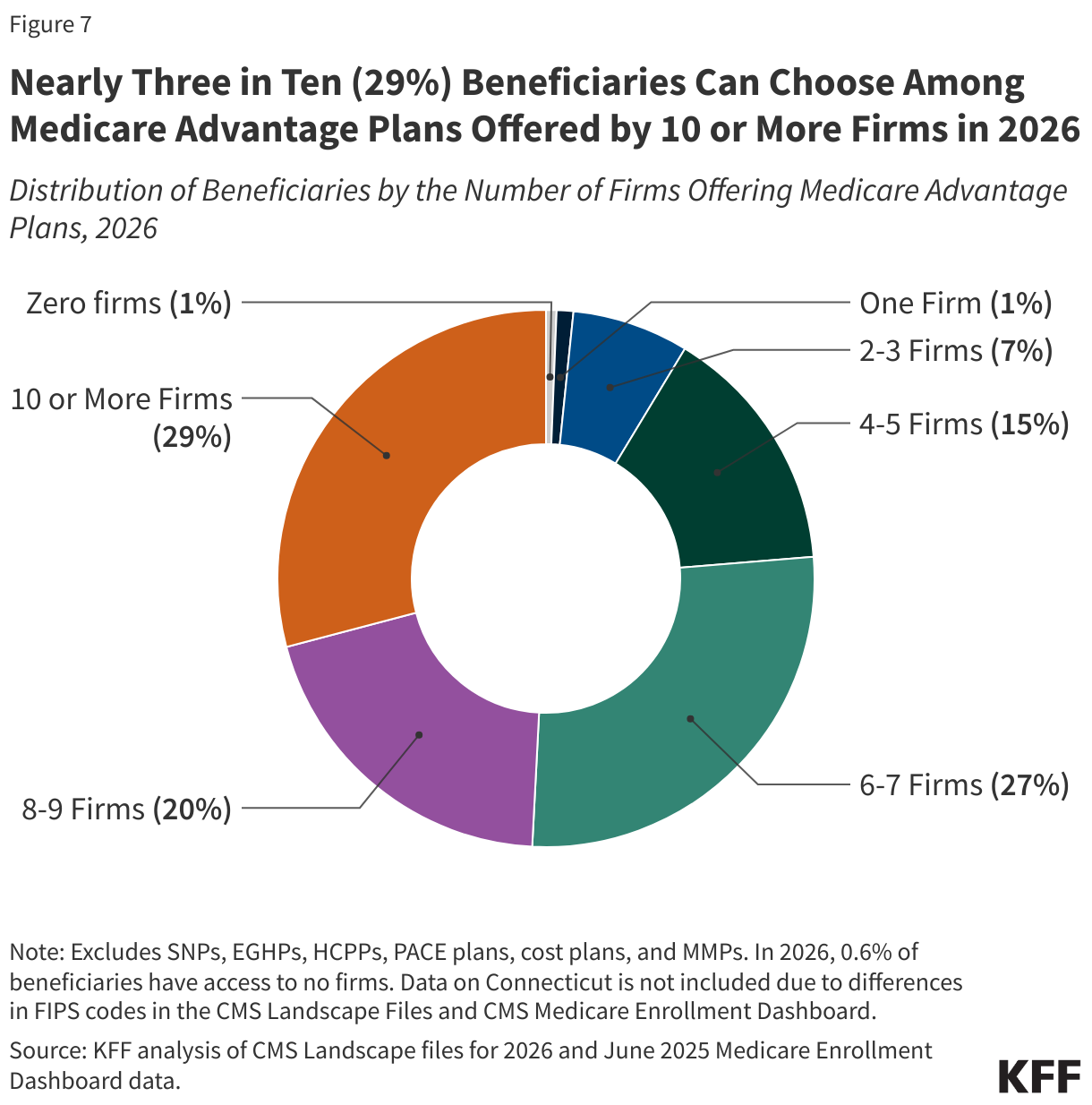
The Centers for Medicare & Medicaid Services (CMS) approximates there will have to do with 5,600 Medicare Advantage Plans offered across the country in 2026. That is close to the numbers from 2025, when the number of alternatives decreased from the previous year. The number of strategies available to a specific Medicare recipient varies from state to state.
Comparing Private Medical Quotes
The average monthly premium for Medicare Benefit plans with prescription drug coverage is expected to decrease from $16 in 2025 to $14 in 2026. It is estimated that about 81% of Medicare recipients are registered in Part D, which covers prescription drug costs. The CMS approximates that regular monthly premiums for stand-alone Part D strategies will drop from $38 in 2025 to $34 in 2026.
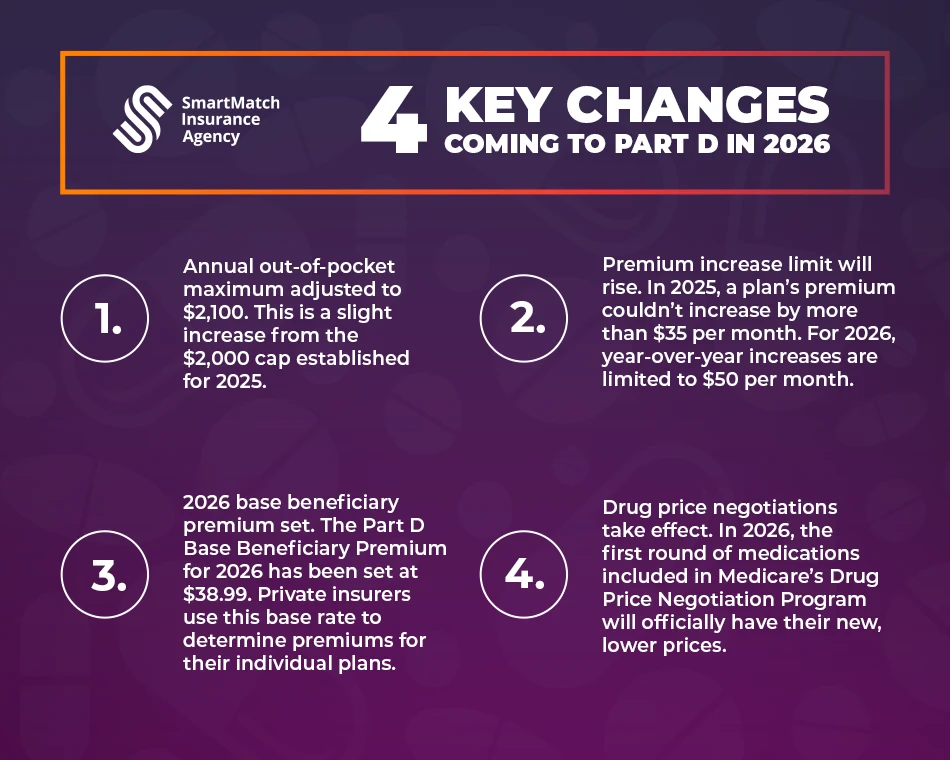
Part D premiums as much as $50 per month, higher than the current $35 month-to-month optimum.
, MD, a professional in otolaryngology head and neck surgical treatment, obesity medicine, and way of life medicine as well as the co-founder and primary executive officer of Side Health in Orinda, CA.Despite these rate decreases, specialists state some Medicare recipients could still pay more for prescription drugs."Although the cost of Part D (drug benefits) may lower overall, the reduction in alternatives and modifications to covered medications might result in greater costs for consumers of particular specialized medications," Kelley kept in mind.
Finding Affordable Individual Medical Insurance
The Centers for Medicare & Medicaid Services (CMS) estimates there will have to do with 5,600 Medicare Benefit Plans readily available nationwide in 2026. That is close to the numbers from 2025, when the number of options reduced from the previous year. The number of strategies offered to a private Medicare recipient varies from state to state.
Insurance in Dana Point CAThe average regular monthly premium for Medicare Benefit plans with prescription drug protection is anticipated to decrease from $16 in 2025 to $14 in 2026. It is estimated that about 81% of Medicare recipients are registered in Part D, which covers prescription drug expenses. The CMS estimates that regular monthly premiums for stand-alone Part D strategies will drop from $38 in 2025 to $34 in 2026.
Insurance companies will be allowed to raise Part D premiums as much as $50 monthly, greater than the present $35 month-to-month optimum. Medicare officials are anticipated to continue to negotiate costs for drugs covered under Part D.Experts state that could result in discount rates of 38% to 79% on sale price on 10 commonly utilized prescriptions, including blood slimmers Eliquis and Xarelto, along with diabetes medications Januvia, Jardiance, and Farxiga. Individuals with Part D plans will also continue to have the option to make use of an automated prescription payment strategy that expands drug costs over the year.
In the end, it suggests less cash in customers' pockets." Kanwar Kelley, MD, a professional in otolaryngology head and neck surgical treatment, obesity medicine, and lifestyle medication in addition to the co-founder and ceo of Side Health in Orinda, CA.Despite these price reductions, professionals state some Medicare receivers could still pay more for prescription drugs."Although the cost of Part D (drug advantages) might reduce in general, the reduction in alternatives and changes to covered medications could lead to greater costs for customers of certain specialty medications," Kelley noted.
Finding Affordable Family Medical Insurance
Medicare Advantage Plans readily available across the country in 2026. The number of plans readily available to a private Medicare recipient varies from state to state.
The typical regular monthly premium for Medicare Advantage plans with prescription drug protection is anticipated to reduce from $16 in 2025 to $14 in 2026. It is estimated that about 81% of Medicare receivers are registered in Part D, which covers prescription drug expenditures. The CMS estimates that monthly premiums for stand-alone Part D strategies will drop from $38 in 2025 to $34 in 2026.
Insurance business will be allowed to raise Part D premiums as much as $50 per month, greater than the current $35 monthly maximum. Medicare officials are anticipated to continue to work out prices for drugs covered under Part D.Experts say that could result in discount rates of 38% to 79% on market price on 10 extensively used prescriptions, including blood slimmers Eliquis and Xarelto, as well as diabetes medications Januvia, Jardiance, and Farxiga. People with Part D strategies will likewise continue to have the option to use an automatic prescription payment plan that expands drug costs throughout the years.
Securing Financial Protection Options
, MD, a specialist in otolaryngology head and neck surgery, obesity medicine, and way of life medication as well as the co-founder and primary executive officer of Side Health in Orinda, CA.Despite these rate reductions, experts say some Medicare receivers might still pay more for prescription drugs."Although the rate of Part D (drug benefits) may decrease overall, the decrease in choices and changes to covered medications could result in higher costs for customers of specific specialty medications," Kelley kept in mind.

Latest Posts
Selecting Your Optimal 2026 Medicare Supplement Plans
Requesting Individual Health Insurance Quotes Fast
Effective IUL Plans for Retirement